November is here, and with it comes Movember, a global movement dedicated to raising awareness for men’s health issues such as prostate cancer, testicular cancer, and mental health.
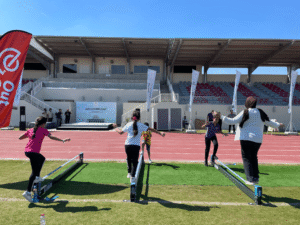
This month-long campaign invites people to get involved in ways that suit them — from growing a classic ‘mo’ to organising group activities or simply starting honest conversations about wellbeing. These shared moments help promote suicide prevention, reduce stigma and strengthen community support for overall men’s health. Small group movement sessions or workplace wellness breaks can be especially powerful for mental health, building connection and resilience.
We invite you to join this meaningful movement. Share your Movember activities on social media, organise a lunchtime walk or movement session at work, or host a local information evening — whatever helps you and your community take part. Together, we can raise awareness and make an ongoing difference in the lives of men around us.
Key Takeaways
- Participate in Movember in a way that works for you — grow a moustache or get involved with events and conversations.
- Support men’s health initiatives and help raise awareness about critical issues.
- Engage with the global movement and local communities to create lasting support networks.
- Share your story or activity to inspire others and help spread the word.
- Contribute to suicide prevention efforts and make mental health a regular part of how we care for one another.
The Global Movement Changing Men’s Lives
The Movember movement began in 2003 in Australia when a group of friends decided to grow moustaches to raise awareness for men’s health issues. What started as a simple idea has spread around the world, turning into a movement that encourages open conversation, funds research and supports local programmes that help men get better outcomes.
Origins and Evolution Since 2003
Since its inception, Movember has evolved from a grassroots idea into an international campaign engaging hundreds of thousands of people and supporting projects that improve men’s health. Over the years the movement has focused on awareness, fundraising and practical services that help men and families access information and support.
- Raising awareness for men’s health issues
- Funding research and support services
- Encouraging men to take control of their health
From Australia to the World: The Spreading of a Health Revolution
Movember now reaches men and communities across the world, inspiring men around the globe to prioritise physical and mental wellbeing. In many places — including the UAE and the wider GCC — Movember groups pair awareness with community activities such as team walks, workplace fitness challenges and group wellbeing events to make health conversations practical and social.
This blend of awareness and activity helps create supportive networks where men feel more able to talk about health issues and to take positive steps together.
What is Movember? Understanding the Mission Behind the Moustaches
Movember is a focused global effort to improve men’s health by concentrating resources and conversations on a few critical areas that affect men’s lives. At its core, the campaign encourages people to raise awareness, start meaningful conversations and back practical projects that make long-term improvements to wellbeing.
The Four Pillars of Men’s Health Focus
The organisation targets four priority areas where collective action can have clear impact:
- Prostate Cancer: Raising awareness, supporting screening conversations and funding research that improves detection and care.
- Testicular Cancer: Promoting early detection through education and self-check guidance for younger men.
- Mental Health: Breaking down barriers so men can access support, talk about feelings and seek help early.
- Suicide Prevention: Reducing deaths by encouraging help-seeking, peer support and crisis intervention where needed.
How Funds Transform Research and Support Services
Funds raised through Movember are invested in a mix of research, services and community programmes that help men now and in the future. Typical uses include:
- Research Grants: Backing studies into better detection and treatments for prostate and testicular cancer and into the drivers of men’s mental health issues.
- Support Services: Funding helplines, peer-support projects and local counselling services so men can get practical help.
- Awareness Campaigns: Running education programmes in workplaces, schools and community centres to promote early detection and encourage conversations.
These investments aim to turn awareness into action: earlier diagnoses, stronger local support networks and better mental health outcomes. In many regions, including the UAE and across the GCC, funds also support community-level initiatives that pair awareness with practical activity — from workplace wellbeing sessions to school programmes — so awareness leads to everyday change.
Movember in Numbers: The Power of 285,000 Participants in 2024
Movember’s strength comes from collective effort. In 2024, some campaigns reported around 285,000 participants (figures vary by region and reporting source), illustrating how many people choose to get involved each year to raise awareness and take action for men’s health. Whether global or local, this scale helps fund services and spark conversations that save lives.
Global Impact Through Collective Action
Numbers are useful, but the real impact is how that participation translates into support for issues like prostate cancer, testicular cancer and mental health. Through the movement, participants have:
- Helped to raise funds for research, support services and local projects
- Started conversations that reduce stigma and encourage men to seek help
- Supported men in their communities via events, peer groups and workplace programmes
Measuring Success: Lives Changed Through Movember Initiatives
Success is measured in more than totals: it’s measured in earlier diagnoses, improved access to support and stronger community networks. Reports point to improved detection and enhanced support structures where Movember-funded programmes operate — though outcomes vary by country and programme. In the UAE and across the GCC, local events and workplace initiatives during Movember help turn awareness into practical steps, such as screening conversations and group wellbeing activities that support healthier lives.
The Silent Health Crisis Facing Men Today
A silent health emergency is unfolding among men, with consequences that touch families and communities across the UAE and beyond. Men’s health concerns range from prostate and testicular cancer to rising rates of mental health issues; understanding the scope of these challenges is the first step toward meaningful support and action.
Alarming Statistics Every Man Should Know
Health statistics underline why awareness matters. For example, prostate cancer is one of the most commonly diagnosed cancers in men and many health authorities use lifetime risk figures (such as about 1 in 8 in some populations) to highlight the importance of screening conversations. Testicular cancer, while less common overall, is comparatively more frequent in younger men. Men are also more likely than women to die by suicide in many countries, which makes targeted mental health support vital.
- Prostate cancer contributes substantially to cancer diagnoses in men worldwide.
- Testicular cancer most often affects younger men (late teens to 30s).
- Mental health issues, including depression and anxiety, are increasingly reported among men.
Cultural and Social Barriers to Seeking Healthcare
Despite clear health needs, many men are reluctant to seek care because of cultural and social barriers. Traditional ideas about masculinity can discourage showing vulnerability or asking for help, and that silence can delay diagnosis and support.
“Men are often socialized to be strong and stoic, which can prevent them from seeking medical help when needed.”
Addressing these barriers requires practical, community-led approaches: trusted conversations in workplaces, family encouragement, and accessible local services. Small, regular group activities — from walking groups to short workplace movement breaks — can reduce isolation, open informal lines of communication and make it easier for men to reach out when they need help.
Prostate Cancer: Early Detection and Prevention Strategies
As Movember draws attention to core men’s health concerns, prostate cancer remains a major area of focus. Prostate cancer is among the most commonly diagnosed cancers in men worldwide; understanding risk factors and making informed choices about screening can improve outcomes and save lives.
Risk Factors and Screening Guidelines
Risk factors for prostate cancer include age, family history and certain ethnic backgrounds. While recommendations vary by country and individual risk, many clinicians suggest discussing screening with your healthcare provider from around age 50 (or earlier if you have a family history or other risk factors). The Prostate-Specific Antigen (PSA) test is widely used as a screening tool, but it is most effective when used as part of a conversation about risks and benefits with a clinician.
If you live in the UAE or the GCC, check with local health authorities or your GP for region-specific guidance and screening programmes. Early detection through appropriate screening and regular health checks can lead to timelier interventions and better long-term outcomes.
Treatment Advances and Success Stories
Medical advances have improved the outlook for many men diagnosed with prostate cancer. Treatments now range from active surveillance for low-risk cases to targeted therapies and newer approaches that reduce side effects and improve quality of life. Individual treatment plans depend on stage, overall health and personal preferences.
There are many recovery and survivor stories that highlight the difference early detection and coordinated care can make. These stories remind us that raising awareness, encouraging conversations and supporting local services are practical ways to protect men’s health.
During Movember, workplaces, schools and community groups can responsibly get involved by organising informational sessions, encouraging men to talk with clinicians about screening, and supporting fundraisers that help local research and support services. These actions help turn awareness into practical support for men’s health.
Testicular Cancer Awareness: A Matter of Self-Care
As we continue to focus on practical ways to support men’s health, testicular cancer awareness is an important area — especially for younger men. While overall less common than some other cancers, testicular cancer is among the more frequently diagnosed cancers in men aged late teens to their 30s, and early detection makes a big difference to outcomes.
The Monthly Self-Exam That Could Save Your Life
One of the simplest, most effective steps men can take is regular self-checks. A monthly self-examination helps you notice changes such as lumps, swelling or unusual discomfort. If you find anything concerning, seek medical advice promptly — a GP or urologist can provide assessment and reassurance, and early detection is key to successful treatment.
Recovery Journeys: Support Systems That Make a Difference
For men diagnosed with testicular cancer, recovery often involves medical treatment followed by physical and emotional rehabilitation. Support from family, friends and peer groups can be crucial during this time. Sharing experiences, attending support sessions and connecting with local services helps men and their families navigate recovery and maintain mental wellbeing.
Community education sessions at schools, universities and workplaces during Movember are a good way to spread awareness about self-checks and to let men know where they can get help. Small, practical activities — information stands, short talks or group Q&A sessions with health professionals — encourage people to get involved and to support one another.
Men’s Mental Health: Breaking Down the Walls of Silence
Men’s mental health matters — and open, regular conversations are one of the most practical ways to support it. Stigma and cultural expectations often make it harder for men to ask for help, so creating safe spaces where people can talk without judgment is essential to improving wellbeing.
Mental health issues such as depression and anxiety affect men across all backgrounds. These conditions may show up differently in men — for example, through increased irritability, risk-taking, or substance use — so recognising those signs is an important step in offering support.
Recognizing Depression and Anxiety in Men
Depression and anxiety can present with common symptoms, but men often express distress through behaviour as well as mood. Look out for changes such as loss of interest in hobbies, disturbed sleep or appetite, unexplained fatigue, sudden irritability, increased alcohol or drug use, or risky actions. If you notice these changes in someone you care about, encouraging a calm conversation and suggesting they speak to a health professional can make a real difference.
| Common SymptomsMen’s Specific Manifestations | |
| Loss of interest in activities | Increased irritability or anger |
| Changes in appetite or sleep | Substance abuse |
| Fatigue or loss of energy | Reckless behavior |
How Movement and Group Activity Help
Physical movement is a powerful, evidence-supported way to support mental wellbeing. Activities that focus on balance and coordinated movement help reduce stress, improve emotional regulation and build confidence through measurable progress. Group movement sessions also create social connection and low-pressure opportunities for conversation — a natural way to encourage men to open up.
Simple, inclusive options like short movement breaks, group walks, or beginner balance circuits can be run in workplaces, schools or community centres. These sessions lower barriers to participation and make it easier for people to check in with one another. Even 20–30 minutes of guided activity a week can boost mood and strengthen social support.
Creating Environments Where Men Feel Safe to Share
To help men feel safe to talk, organisations can:
- Encourage open dialogue without judgment and normalise checking in with colleagues or friends.
- Provide accessible resources and clear signposting to local mental health services in the UAE/GCC.
- Offer practical, low-barrier activities — short movement breaks, walking groups, or wellbeing workshops — that combine physical activity with social connection.
If someone seems at immediate risk, encourage them to contact local emergency services or a crisis helpline and stay with them until help arrives. For non-urgent concerns, suggest a trusted GP or mental health professional. Small, consistent steps — conversations, movement and community support — help men get better and reduce the isolation that too often prevents them from seeking help.
Suicide Prevention: Conversations That Save Lives
As we continue to address men’s mental health, one of the most urgent priorities is suicide prevention. In many countries men die by suicide at higher rates than women, which underlines the importance of targeted support, timely intervention and community-level action.
Understanding Risk Factors Unique to Men
Men face particular social pressures that can increase risk: norms that discourage expressing vulnerability, reluctance to seek help, and stigma around mental health. Other contributing factors include substance misuse, social isolation, financial stress and past trauma. Recognising these risk factors — and responding early with practical support — can reduce harm.
Reducing isolation is a key prevention strategy. Regular group activities, workplace peer support and simple shared movement sessions help people connect informally, making it easier for someone who is struggling to talk to a colleague, friend or family member.
How to Support Someone in Crisis: Practical Steps
Supporting someone in crisis requires calm, empathy and clear action. The first step is to listen without judgment — let them speak and show you take them seriously. Practical steps include:
- Stay calm and listen; give the person space to share.
- Encourage them to seek professional help and offer to help find contacts.
- If they are in immediate danger, stay with them and contact emergency services.
- Follow up afterwards and keep checking in — ongoing support matters.
For readers in the UAE and GCC, consider saving local crisis numbers and national helplines where available and share them with your networks. If you’re unsure which service to contact, a local GP can often advise on urgent resources. Community programmes, peer-support groups and workplace training can all play a role in preventing suicide by building stronger connections and providing safer places to talk.
When someone is struggling, practical kindness — a listening ear, an offer to accompany them to an appointment, or a regular check-in — can make a life-saving difference. Together, communities can create the supportive environments men need to reach out and get help.
Movember in the UAE: How to Get Involved Locally
In the UAE, Movember is a local expression of a global call to action for men’s health awareness. Individuals, schools, community groups and businesses can all play a role in raising awareness, supporting one another and turning conversations into practical support across the Emirates.
Growing Your “Mo”: Style Tips and Maintenance
For those who choose to grow moustaches, simple care helps keep your ‘mo’ looking smart throughout November: resist shaving from November 1st, trim and shape weekly, and use a light balm or wax if you want a polished finish. Remember, growing a ‘mo’ is only one way to take part — many people prefer to support Movember through events, fundraising or wellbeing activities.
UAE-Based Fundraising Opportunities and Events
The UAE hosts a variety of Movember activities, from charity runs and community fitness sessions to information evenings and workplace challenges. You can usually find local listings via the official Movember channels or community groups on social media. Organisations often pair fundraising with practical projects — screening awareness events, mental health talks or movement sessions — so money raised has a direct community impact.
Corporate Initiatives Across the Emirates
Companies across the UAE support Movember by encouraging staff to get involved in different ways: growing a moustache, forming fundraising teams, sponsoring wellbeing workshops, or hosting short group movement breaks during the working week. These activities help normalise conversations about health and create supportive workplaces.
If you’re organising an event, consider inclusive options for people who don’t want to grow facial hair: a lunchtime balance session, a staff walking group, or an on-site wellbeing talk are simple alternatives that still raise funds and build community. For schools and employers, a short outreach email template can invite participation, suggest safety measures, and link to local health resources — making it easy for people to take part and support men’s health projects.
Amplifying Your Impact: Sharing Your Movember Journey
Sharing your Movember experience is a practical way to inspire others, spread the word and encourage conversations about men’s health. Personal stories make the movement feel human and help other people see ways they can get involved.
Effective Storytelling for Maximum Awareness
Effective storytelling combines honesty with useful information. To make your story resonate, try these approaches:
- Be authentic: Speak from your own experience—why you care, what you’re doing and what you’ve learned.
- Show, don’t just tell: Use photos or short videos of activities—team walks, a workplace wellbeing session, or a group balance exercise—to illustrate community support.
- Include a simple call-to-action: Invite others to join a local event, donate to a project, or simply check in on a friend.
These elements help people relate to your message and encourage them to take part in ways that suit them.
Using Social Media to Inspire Others in the UAE
Social media can amplify your reach when used thoughtfully. A few practical tips:
- Choose platforms thoughtfully: Instagram, LinkedIn and TikTok each reach different audiences—pick one or two where your network is active.
- Use relevant hashtags: Try national and cause tags to expand reach (for example local Movember tags and more general #MensHealth hashtags).
- Plan simple themes: Weekly ideas like “Movement Monday” or “Wellness Wednesday” make it easy for colleagues and friends to engage.
Sample short post template you can adapt: “This Movember I’m taking part by [growing a ‘mo’ / organising a 20-minute movement break / hosting a wellbeing talk]. If you can, join us on [date] or share your story—let’s support men’s health together.”
When people share real activities—fundraisers, short movement sessions, or educational events—they not only raise funds and awareness but also create moments where men feel supported to talk and get help.
Conclusion: Supporting Men’s Health Beyond November
As November ends, the spirit of Movember should remain with us. Men’s health — from prostate cancer and testicular cancer to mental health and suicide prevention — is a year‑round concern that benefits from sustained attention, community action and practical support.
The progress we see from Movember initiatives demonstrates how collective effort changes lives: earlier diagnoses, stronger local support services and more open conversations that help people get help sooner. Individuals, families, workplaces and community groups all have a part to play in creating environments where men feel supported to talk, seek care and get better.
As a simple next step, consider organising or taking part in a short group activity this month — a workplace wellbeing session, a community walk or a 20–30 minute movement break — so awareness turns into shared, practical support. Small actions add up: take action, encourage others to get involved, and keep the conversation going beyond November.